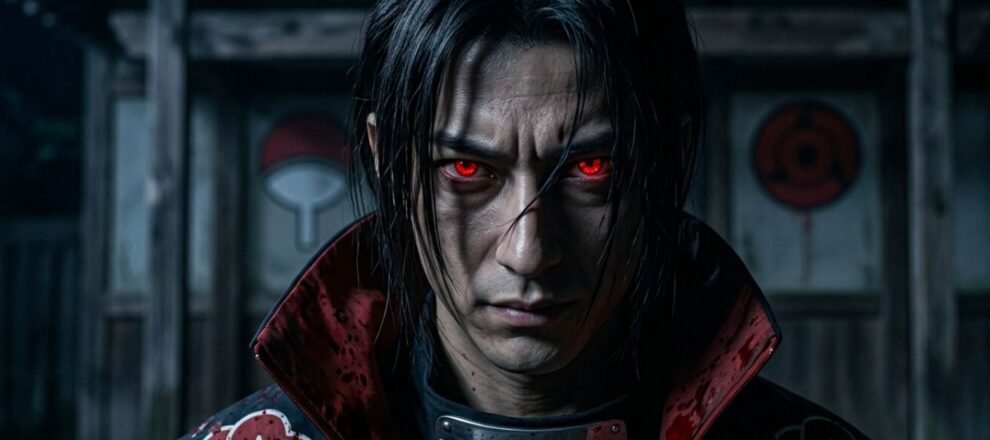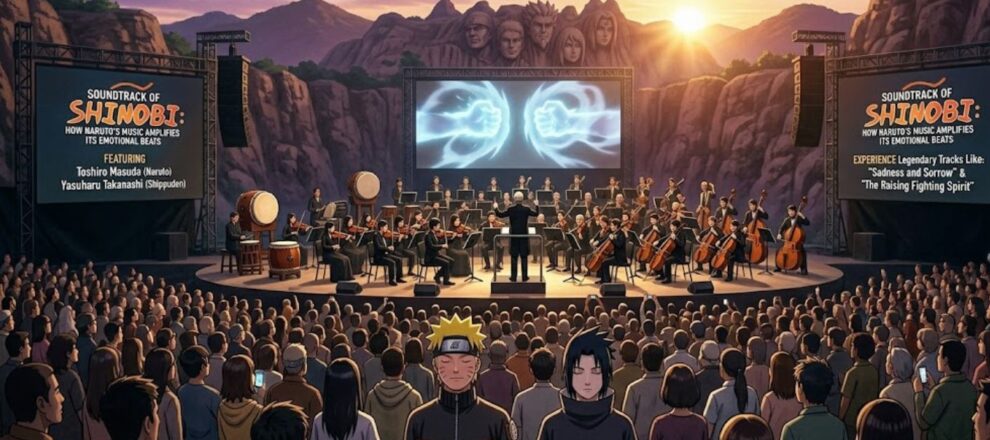
Great anime transcends visual storytelling through music that transforms narrative moments into lasting emotional experiences. Naruto and Naruto Shippuden achieve this synthesis through the collaborative work of composers Toshiro Masuda and Yasuharu Takanashi, whose distinct yet complementary approaches create one of anime’s most memorable sonic landscapes. From melancholic solo piano to thunderous orchestral battle themes, the franchise’s soundtrack demonstrates how carefully crafted music amplifies character development, thematic resonance, and viewer engagement across hundreds of episodes and two distinct series phases.
Toshiro Masuda: Establishing the Original Series’ Sonic Identity
Toshiro Masuda composed for the original Naruto series (2002-2007), establishing musical foundations that would influence the entire franchise. His background in film and television scoring informed an approach prioritizing thematic clarity and emotional accessibility—music that immediately communicates feeling without requiring complex musical literacy from viewers.
Masuda’s instrumentation choices reflect deliberate cultural synthesis. Traditional Japanese instruments—shamisen, shakuhachi, taiko drums—establish historical and geographical authenticity, grounding fantasy in recognizable cultural tradition. These elements merge with contemporary orchestral arrangements and electronic textures, creating sonic bridges between past and present that mirror the series’ thematic concerns with tradition versus innovation, heritage versus individual expression.
The original series’ musical architecture operates through leitmotif—recurring musical themes associated with specific characters, emotions, or situations. This Wagnerian technique enables sophisticated emotional manipulation without dialogue. When viewers hear particular melodic phrases, they unconsciously prepare for associated narrative content, creating anticipatory engagement that pure visual storytelling cannot achieve.
“Sadness and Sorrow”: The Franchise’s Emotional Signature
No Naruto track achieves the cultural penetration of “Sadness and Sorrow” (Kanashimi wo Yasashisa ni), the series’ most recognized and emotionally devastating composition. This piano-led piece, with its haunting solo introduction and gradual orchestral expansion, accompanies the franchise’s most traumatic moments: Zabuza’s death beside Haku’s body, the Third Hokage’s funeral, Jiraiya’s final moments, Itachi’s posthumous revelation.
Musically, “Sadness and Sorrow” demonstrates minimalist effectiveness. The opening piano figure—simple, repetitive, descending—establishes melancholic foundation through constraint rather than complexity. This melodic restraint mirrors the series’ emotional philosophy: profound grief expressed through quiet devastation rather than dramatic display. The subsequent string entrance doesn’t resolve the piano’s sadness but amplifies it, suggesting that sorrow expands to fill available space without dissipating.
The track’s versatility across narrative contexts reveals Masuda’s compositional intelligence. It accompanies death, betrayal, reconciliation, and memory without feeling inappropriate because its emotional register—dignified melancholy rather than hysterical grief—encompasses varied narrative applications. This adaptability transformed “Sadness and Sorrow” from specific scene accompaniment to franchise emotional signature, recognizable even to viewers with limited Naruto exposure.
“The Raising Fighting Spirit”: Energetic Transformation
Counterbalancing melancholic pieces, Masuda’s “The Raising Fighting Spirit” (Gekiha) provides the franchise’s primary action accompaniment. This track’s immediate recognition—driving percussion, ascending melodic line, electric guitar integration—signals narrative transition from exposition to combat, from preparation to execution.
The composition’s rhythmic propulsion creates physiological response. Heart rates accelerate; attention focuses; anticipation builds. This somatic effect serves narrative function, physically preparing viewers for visual action that the music has already initiated. The track’s structure—building introduction, sustained intensity, climactic resolution—mirrors fight scene architecture, creating audiovisual synchronization that enhances both components.
Masuda’s integration of rock instrumentation within traditional Japanese musical context demonstrates the franchise’s broader cultural synthesis. Electric guitars and drum kits, associated with Western popular music, merge with taiko patterns and pentatonic melodic structures without stylistic contradiction. This sonic hybridity mirrors Naruto‘s thematic content: ninja tradition adapting to contemporary circumstances, ancient techniques applied to modern problems.
Yasuharu Takanashi: Shippuden’s Orchestral Expansion
When Naruto Shippuden commenced in 2007, Yasuharu Takanashi assumed primary compositional responsibility, maintaining franchise continuity while expanding musical scope. Takanashi’s background in fantasy and historical anime scoring—including Fairy Tail, Sailor Moon Crystal, and Log Horizon—prepared him for Naruto‘s escalating narrative scope and darker thematic content.
Takanashi’s approach emphasizes orchestral grandeur absent from the original series’ more intimate instrumentation. As the narrative expanded to inter-village warfare, tailed beast mythology, and planetary-scale threats, the music appropriately swelled. Full symphony arrangements, choral elements, and complex harmonic progressions replaced the original series’ stripped-back textures, reflecting narrative scope expansion through sonic magnitude.
This evolution serves thematic function. The original Naruto concerns personal growth, team dynamics, and village-level conflict—stories appropriately scored with individual instruments and small ensembles. Shippuden addresses warfare, international politics, and existential threats to human civilization—narratives requiring the sonic weight that only orchestral forces provide. Takanashi’s compositional evolution thus tracks the series’ thematic maturation.
“Samidare” and “Girei”: Shippuden’s Emotional Landmarks
Among Takanashi’s contributions, “Samidare” (Early Summer Rain) achieves particular distinction as Shippuden‘s equivalent to “Sadness and Sorrow.” This piano and strings composition accompanies moments of reflective melancholy—Jiraiya’s death contemplation, Naruto’s isolation after Pain’s assault, Sasuke’s recognition of his brother’s sacrifice. Its rain-evoking title and gentle melodic contours suggest cleansing sorrow, grief that ultimately enables growth rather than preventing it.
“Girei” (Pain’s Theme) demonstrates Takanashi’s capacity for thematic antagonist scoring. This choral piece, with its Latin-inspired vocalizations and ominous harmonic progressions, accompanies the Akatsuki leader’s appearances with religious gravity. The musical sacrality—resembling liturgical composition—elevates Pain from conventional villain to philosophical force, sonic preparation for his monologues regarding pain, peace, and human nature. The track’s subsequent application to other dramatic moments demonstrates how effectively it establishes narrative weight.
Musical Continuity and Franchise Cohesion
Despite composer transition, Naruto‘s soundtrack maintains remarkable thematic continuity. Masuda’s original themes recur throughout Shippuden, performed with Takanashi’s expanded orchestration but retaining melodic identity. This musical persistence creates franchise cohesion across hundreds of episodes and narrative years, subconsciously reassuring viewers that despite visual and thematic evolution, essential Naruto identity remains constant.
The soundtrack’s commercial success—album sales, streaming performance, concert performances—demonstrates its independent artistic value. Naruto music transcends its original context to accompany personal moments, workout sessions, study periods, and emotional processing for global audiences. This extratextual application confirms the compositions’ emotional authenticity: music effective within narrative context that maintains power when separated from visual accompaniment.
Contemporary Relevance: Music and Memory
In 2026, Naruto‘s soundtrack continues resonating through nostalgic engagement and new audience discovery. Adult viewers who encountered the series during childhood now revisit these compositions, experiencing complex temporal emotions—melancholy for lost youth, appreciation for enduring artistry, recognition of how these musical experiences shaped their emotional development.
Streaming platforms’ algorithmic recommendations introduce Naruto music to listeners without anime exposure, demonstrating the compositions’ capacity to function as standalone artistic works. “Sadness and Sorrow” appears on piano study playlists, meditation compilations, and ambient music collections—contexts far removed from ninja combat but appropriate to the music’s emotional register.
This cultural persistence validates Masuda and Takanashi’s artistic choices. By prioritizing emotional clarity over stylistic novelty, accessibility over avant-garde experimentation, they created music that serves immediate narrative function while maintaining lasting independent value. The Naruto soundtrack demonstrates that commercial anime scoring can achieve genuine artistic substance without sacrificing popular appeal.
Conclusion: The Sound of Shinobi
Naruto‘s musical legacy extends beyond individual tracks to demonstrate how anime scoring fundamentally shapes viewer experience. Masuda’s establishment of clear thematic vocabulary and Takanashi’s subsequent orchestral expansion created sonic architecture supporting narrative across two decades of storytelling. The franchise’s most emotionally devastating moments achieve impact through deliberate musical preparation; its most exhilarating victories gain energy through rhythmic propulsion; its most philosophical contemplations acquire gravity through harmonic sophistication.
For creators, the Naruto soundtrack offers lessons regarding thematic consistency, cultural synthesis, and emotional accessibility. For viewers, it provides enduring artistic experiences that transcend their original context. The sound of shinobi—traditional and contemporary, melancholic and triumphant, intimate and orchestral—continues resonating, proving that great anime music achieves permanence alongside the visual stories it elevates.