In the vast landscape of anime antagonists, few characters provoke the same philosophical intensity as Nagato, better known as Pain. As the leader of the Akatsuki and the apparent orchestrator of countless tragedies, Nagato delivers one of the most memorable speeches in anime history—a monologue that transforms him from a seemingly one-dimensional villain into a tragic philosopher-king questioning the very foundations of human civilization. Years after Naruto Shippuden concluded, Nagato’s ideology continues to resonate with audiences, offering a dark mirror to our contemporary struggles with conflict, understanding, and the pursuit of peace.
The Cycle of Hatred: A Universal Human Condition
Nagato’s worldview centers on a deceptively simple observation: humanity is trapped in an endless cycle of hatred. Born in the war-torn Hidden Rain Village, he experienced firsthand how violence begets violence. When his parents were killed by Konoha shinobi during the Second Shinobi World War—mistaken for enemy combatants in their own home—Nagato’s childhood innocence shattered. This trauma wasn’t unique; it mirrored the experiences of countless children in conflict zones worldwide.

What distinguishes Nagato’s philosophy is his refusal to assign simple blame. He doesn’t merely hate Konoha for his parents’ deaths. Instead, he recognizes that the shinobi who killed them were themselves products of a system that demanded violence. They feared him and his family as potential threats, acting on that fear with deadly force. This observation leads to Nagato’s central thesis: pain creates fear, fear creates hatred, hatred creates violence, and violence creates new pain—an endless loop that no amount of conventional diplomacy can break.
In our current era, this cycle manifests across geopolitical conflicts, social media discourse, and cultural polarization. The mechanisms differ—tweets replace kunai, economic sanctions replace military invasions—but the psychological architecture remains identical. Nagato’s insight that “the world will never know true peace” through ordinary means feels increasingly prophetic as we witness prolonged conflicts where each retaliation supposedly justified by previous atrocities.
The Shared Pain Solution: Terror as Pedagogy
Nagato’s proposed solution is simultaneously horrifying and intellectually coherent: universal suffering through catastrophic violence. By wielding the power of the Tailed Beasts to create destruction on an unprecedented scale, he intends to make humanity experience pain so profound and universal that it forces collective introspection.
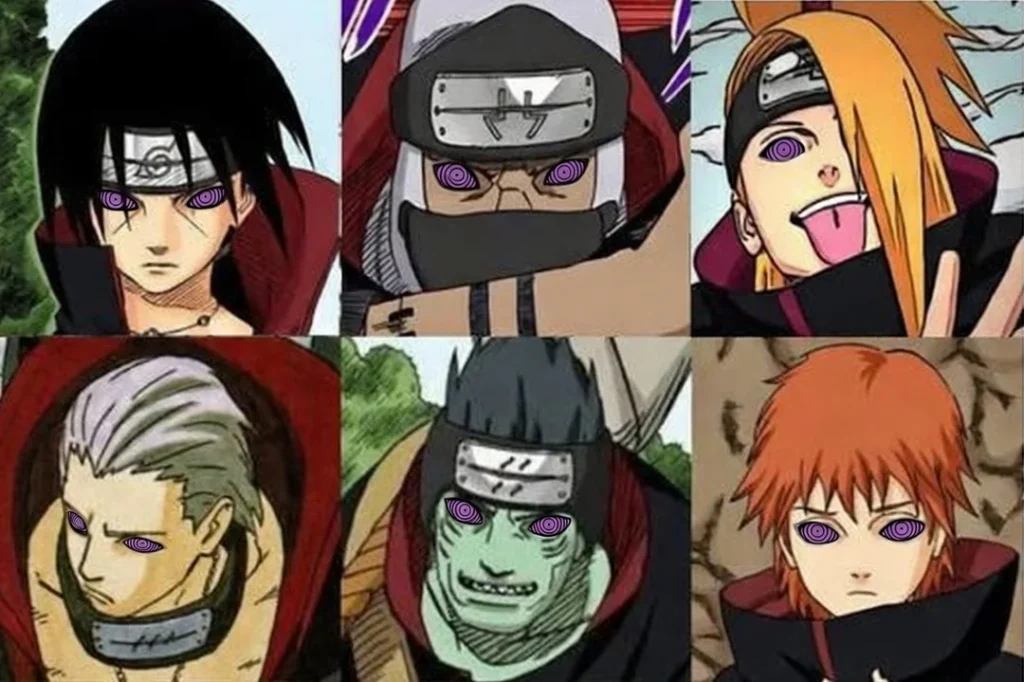
“Just as there are physical laws that govern the universe,” Nagato explains, “there are also laws that govern human behavior.” His plan essentially weaponizes trauma as educational intervention. When everyone shares the same catastrophic loss—the death of loved ones, the destruction of homes, the collapse of security—artificial distinctions between “us” and “them” dissolve. The shinobi villages that have warred for generations would, in theory, recognize their shared vulnerability and finally cooperate.
This philosophy echoes real-world debates about whether catastrophic events can catalyze social transformation. Historians have long discussed whether shared suffering—world wars, pandemics, economic depressions—creates conditions for international cooperation. The establishment of the United Nations followed World War II’s devastation; European integration emerged from the continent’s twentieth-century ruins. Nagato simply takes this observation to its logical, if monstrous, conclusion: if moderate suffering produces moderate cooperation, perhaps extreme suffering could produce lasting peace.
Critically, Nagato doesn’t pursue this path from sadism. He explicitly acknowledges the horror of his own plan, having already sacrificed his closest friend Yahiko and his own health to pursue it. His willingness to become “the world’s greatest villain”—to absorb all hatred so that others might eventually cooperate—contains echoes of messianic sacrifice narratives across religious and philosophical traditions.
The Critique of Idealism: Naruto’s Challenge
Nagato’s philosophy achieves its narrative power through its direct confrontation with Naruto’s idealism. When the two finally meet in the ruins of Konoha, Nagato doesn’t simply threaten or monologue villainously. He engages Naruto as a philosophical equal, demanding that the young shinobi answer how he would break the cycle of hatred.
Naruto’s response—that he would find another way, that he would break the cycle through understanding and perseverance—initially appears naive against Nagato’s worldly sophistication. The older shinobi has lived through war, lost everything, and sacrificed his humanity for a concrete plan. Naruto offers only vague optimism and personal determination.
Yet Naruto’s ultimate victory isn’t intellectual but experiential. When he reveals his own history of isolation and hatred—growing up as the demon fox’s vessel, shunned by his village, tempted by darkness—he demonstrates that alternative paths exist. His survival of pain without succumbing to hatred, his eventual acceptance by the village, proves that the cycle can be broken, even if imperfectly and individually.
This philosophical confrontation raises questions that resist easy resolution. Was Nagato wrong because his method was immoral, or because it wouldn’t actually work? Would shared catastrophic suffering produce peace, or merely different configurations of conflict? The series ultimately sides with Naruto’s idealism, but Nagato’s questions remain unanswered in the real world.
Contemporary Resonance: Pain in the 2020s
Nagato’s ideology feels particularly relevant in 2026 as we navigate interconnected global crises. Climate change presents a Nagato-esque dilemma: the “pain” of economic transformation and reduced consumption seems politically impossible without the greater pain of environmental catastrophe potentially forcing collective action. Similarly, debates about artificial intelligence governance, pandemic preparedness, and nuclear proliferation all involve calculations about whether humanity requires shared threats to achieve cooperation.
Social media dynamics also validate Nagato’s observations about pain and hatred. Online spaces frequently demonstrate how individual trauma transforms into collective hostility, how fear of the “other” drives dehumanization, and how quickly cycles of retaliation escalate beyond original grievances. The “shared pain” of viral cancellation, coordinated harassment, or algorithmic radicalization hasn’t produced the universal empathy Nagato predicted, suggesting limits to his theory.
Yet Nagato’s ultimate redemption—his recognition that Naruto’s path, however improbable, deserved consideration—offers hope. In entrusting his dream of peace to his former enemy, Nagato acknowledges that philosophy must remain open to revision, that even our most sophisticated worldviews must yield to evidence of alternative possibilities.
Conclusion: The Necessity of Nagato’s Questions
Nagato remains one of anime’s most compelling antagonists because his philosophy withstands serious engagement. Unlike villains motivated by simple greed or madness, he presents a coherent, experience-based worldview that many viewers find uncomfortably persuasive. His questions—about the durability of peace, the depth of human hatred, the price of security—are questions we continue to confront.
The enduring popularity of his character suggests that audiences recognize something true in his analysis, even as we reject his solutions. In an era of persistent conflict, environmental crisis, and social fragmentation, Nagato’s voice serves as a necessary warning: peace cannot be assumed, hatred cannot be ignored, and the cycle continues unless actively broken.
Naruto’s answer—that we break it through understanding, perseverance, and the refusal to transmit our pain to others—remains the series’ proposed alternative. Whether this answer proves sufficient in our complex reality is the question Nagato, even in defeat, continues asking us.